
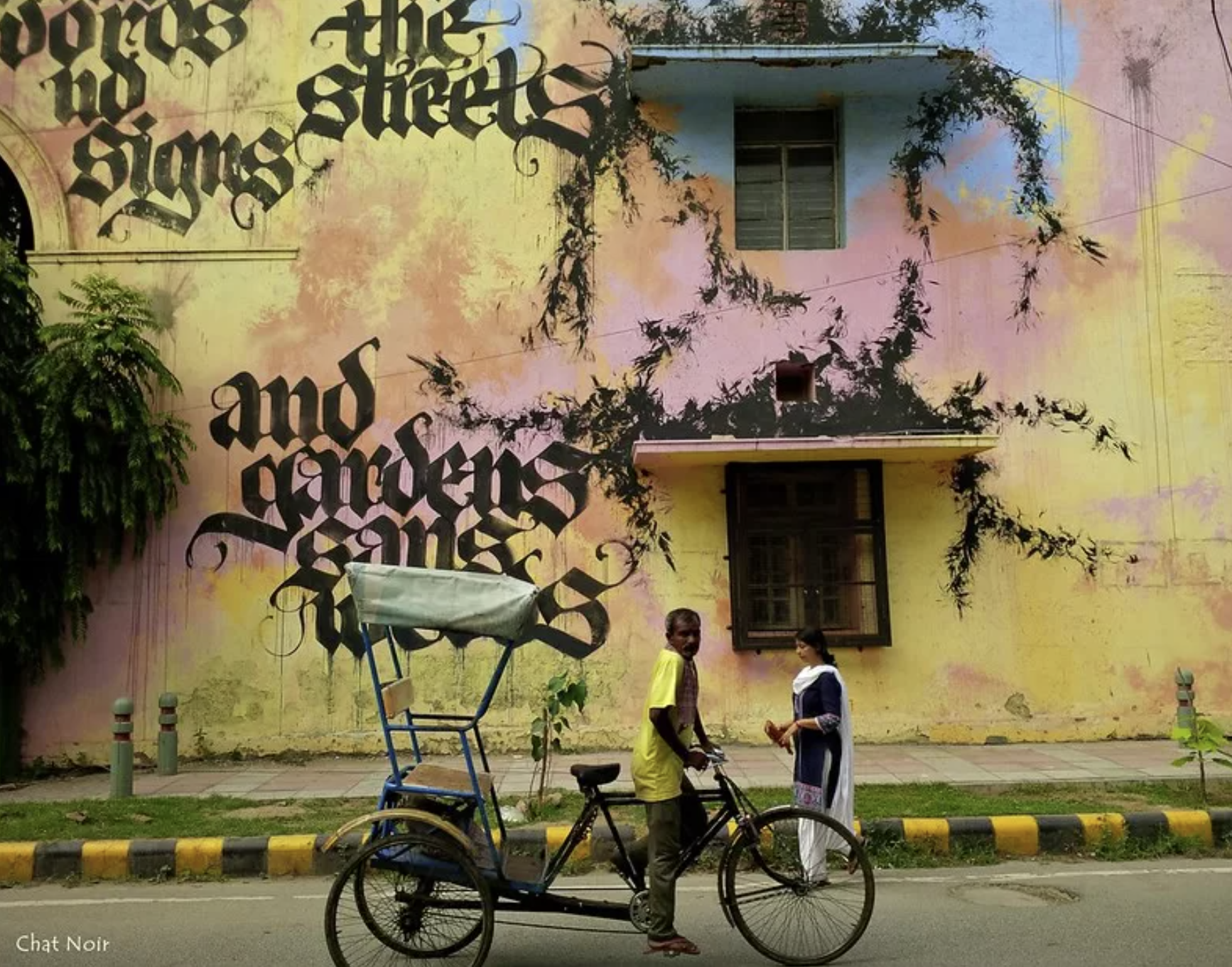
Credits: photo by Chat Noir; calligrafitti by Niels ‘Shoe’ Meulman.
It’s a delicious paradox! THESIS: inspired by its 1.4 billion people and 22 official languages, India’s food creates possibly the most diverse cuisine on Earth. ANTITHESIS: India’s genius for radical brevity looks to distil that culinary universe into a handful of words. SYNTHESIS: can you capture an infinity of cooking… in just twelve words, and four sayings?
For as long as I can remember, I’ve treasured the story that the Inuit have over a hundred words for snow. For me, it’s always made perfect sense that a culture whose reality is so intimately bound up with snow – as a building material, highway, and water-source – should have such a rich vocabulary to describe it.
But when I tried to find out exactly what those hundred Inuit words are, my fairytale turned to dust.
To put it simply, today’s linguists agree that Inuit dialects share just four words for snow: qanik for falling snow; aput for settled snow; piqsiq for wind-driven snow; aniyu for snow melted for drinking.
It’s a heart-breaker. According to the experts, Inuit ‘snow speak’ is 96 per cent smaller than I’d believed. How can I have got it so wrong?
As the experts explain, the core issue is that Inuit is a ‘polysynthetic’ language. Unlike English – where words are tightly-wrapped, tamper-proof parcels of meaning – Inuit speakers can add different endings to words… to create brand new ones. I’m channelling my inner-Eskimo here, but as a London-based cycle commuter, my personal endings for aput (settled snow) might be: bike-slidey; wfh-possibility; snowman-tastic etc. You get my (snow)drift… depending on the speaker, each of the Inuit words for snow can have an infinity of add-ons and new meanings.
So, with the greatest respect to the linguists, my fairytale is back on! The Inuit don’t have a hundred words for snow… they have billions!
For me… food is to India what snow is to the Arctic… it seems to be everywhere… and everything
Which brings us to India – and food.
For me… food is to India what snow is to the Arctic. In India… food seems to be everywhere… and everything. Whether you’re looking at the country through the lens of culture, religion, language, geography, history or family – food seems woven into the DNA of Indian life.
And this is my truth: India’s all-consuming relationship with food sparks the richest foodie vocabulary of any language I know.
Raw ingredients
Let’s start with the building blocks of Indian cuisine… the everyday ingredients in your spice rack: turmeric, cardamom, coriander, cumin, cinnamon.
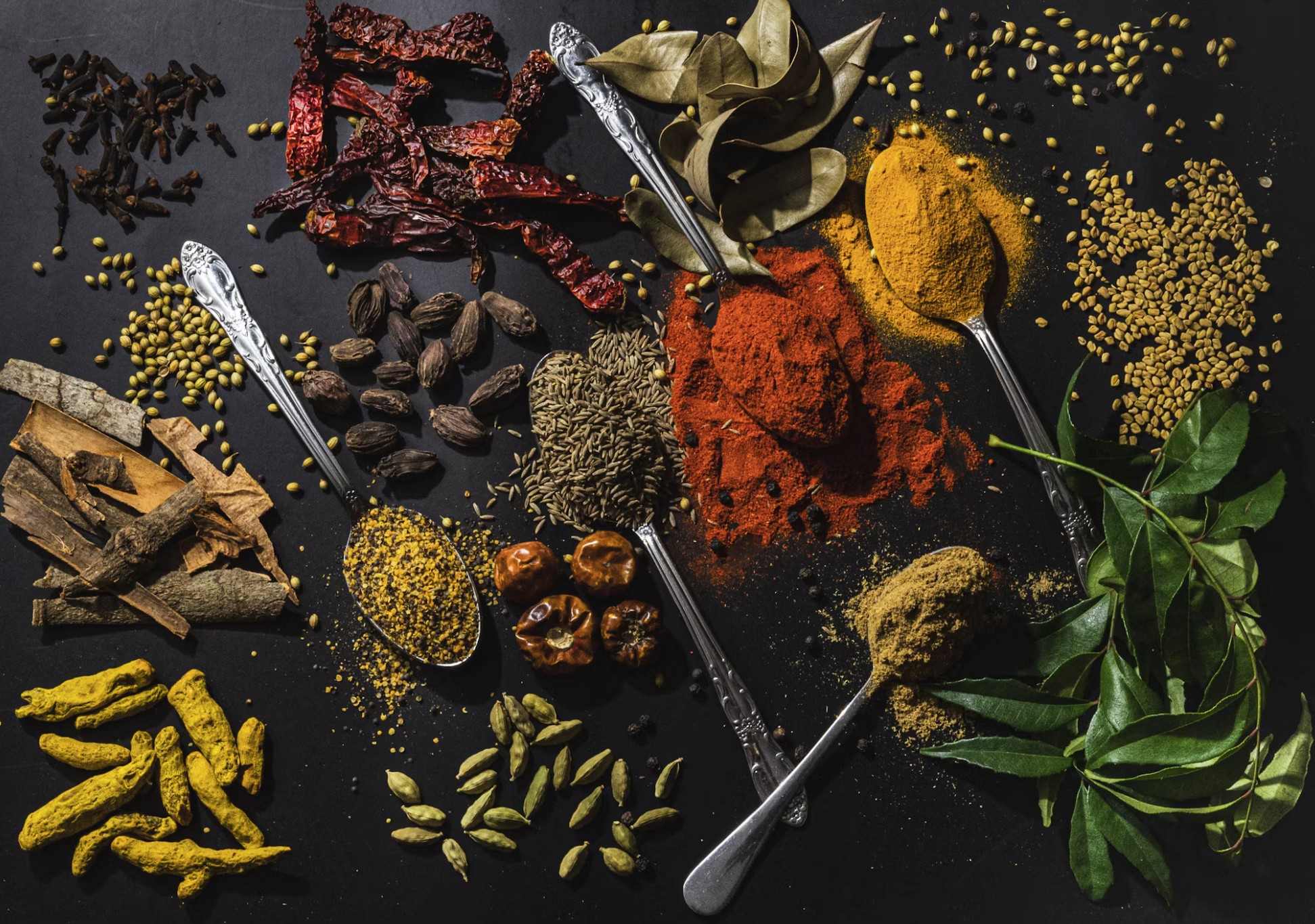
The words themselves sound so fresh, so exotic! They roll beautifully on the tongue… and they taste delicious! Before you’ve eaten a thing, you know from the sound of the raw ingredients that Indian food is going to thrill your palate.
Cardamom, coriander, cumin, cinnamon… the words roll so beautifully on the tongue… and taste delicious!
And that’s before we get to the more off-piste ingredients: bel patra, marathi moggu, tamarind, dagarful, kohlapuri jaggery. These words tingle your tastebuds like exploding panni puri.
But – delicious as they are – none of these is one of the twelve magic words we mentioned in the intro.
We’re still on the ground floor of Indian foodie vocabulary. Things get more exciting as we go up.
Stir it up
One floor higher, we come to the names of Indian dishes: dal makhani, bissi bele hulli anna, sarson ka saag, hyderabadi biryani, dali ambat ani maska sang, perutli chimburi, gulab jamun.
Poetry!
If your local Indian restaurant uses original names for its dishes – try saying them out loud at the table – and the menu will read like Tagore… or Shakespeare.
When I buy a new Indian cookbook (one a month), I always start by reciting the names of the new dishes, and deciding which sound the most delicious. It always works.
Take one dish, from Megha Patil’s exquisite Fish Cookbook: perutli chimburi. It’s possibly the most beguiling seafood dish I’ve ever eaten: a miniaturised masterpiece of intricately-spiced white crabmeat, baked in the scoop of half a ripe guava. When I cook it for friends, they melt.
Say the words out loud, and tell me which excites you more: the sensuous Marathi of Perutli chimburi… or the nuts and bolts of Baked crab and guava?
Likewise, reading the breath-takingly-perfect south Indian recipes in Dakshin, I had to cook bissi bele hulli anna… simply because it sounds so delicious.
Crafted from 32 ingredients, it’s actually a rice dish, and I’ve only cooked it once. But if an alien asked me to explain the word ‘delicious’, I’d cook them bissi bele hulli anna.
The beautiful dozen
In the intro, we asked if it’s possible to distil the infinity of Indian cuisine into 12 words.
And then there’s the even smaller total… four… the number of everyday phrases which might come close to capturing the soul of Indian food.
Haath Ka Mazaa
Let’s start with the Hindi/Urdu phrase: Haath Ka Mazaa. Literally, the words translate as hand of magic. Metaphorically, the phrase means: special flavour unique to her hand. It’s a simple, yet radical thought: that your soul, love and individual genius as a cook are the vital ingredients that flavour every dish you cook. Boom! Is there any other saying – in any language – that better captures the alchemical role of the cook as creator? And in Hindi/Urdu, the compliment is paid uniquely to women.
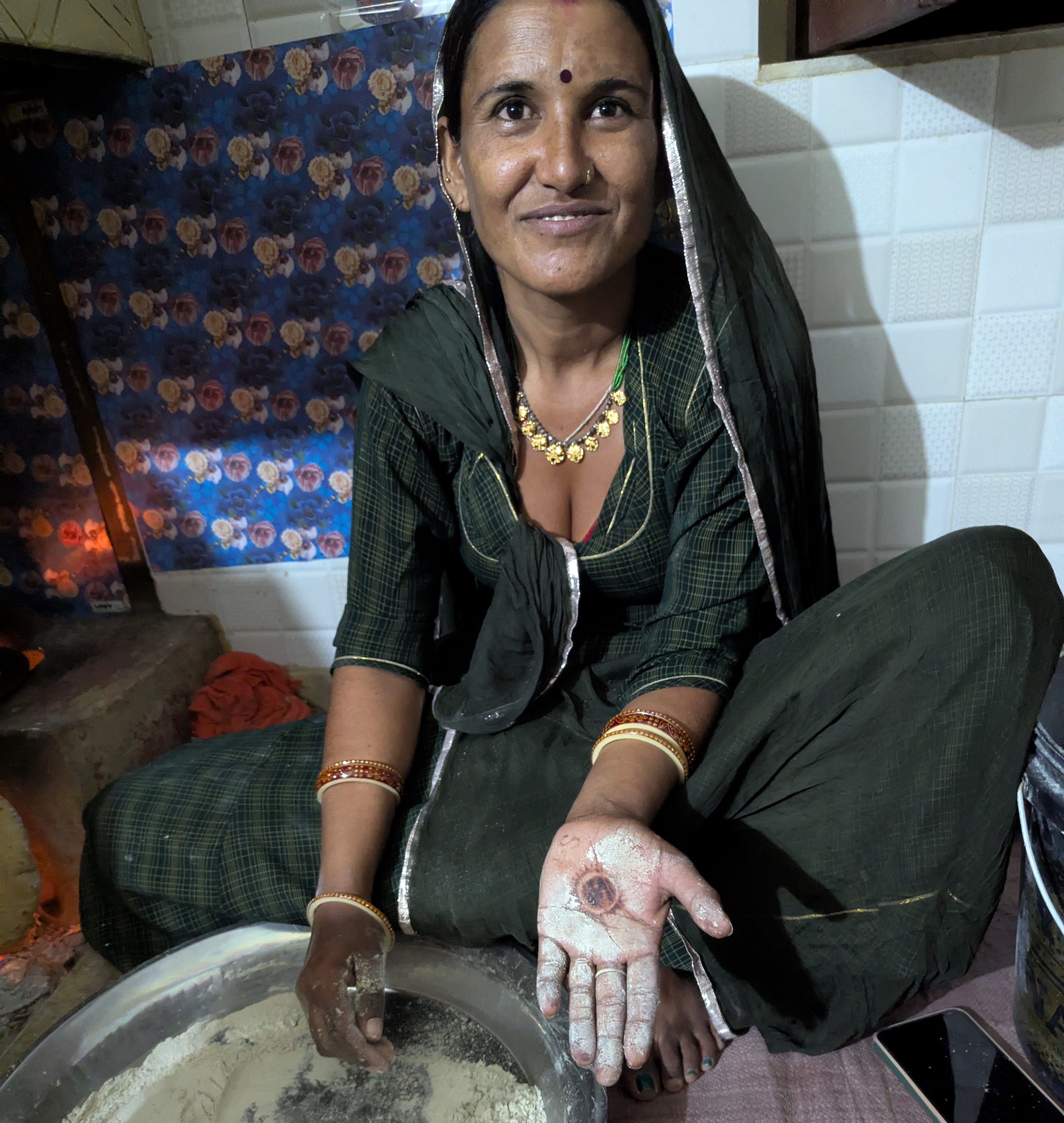
I first read haath ka mazaa in Husna Rahaman’s legendary Spice Sorcery. If you want a book that thrills your imagination and tastebuds, this is for you.
Annadata Sukhi Bhava
We’ve praised the cook. In the Sanskrit phrase Annadata Sukhi Bhava, we go on to celebrate the whole community that brings the meal to your table.
Translated literally as food provider happy be, the saying connects you with everyone who’s contributed to your meal: the farmer who ploughed the earth and grew the crops; the merchant who transported and sold them; the family member or chef who cooked and served it you. It’s a huge, beautiful thought: Annadata Sukhi Bhava empowers you to invite everyone who’s part of your meal to join you at your table, and celebrate their passion and skill. Does any other language express this sense of gratitude and belonging… so simply, and so well?
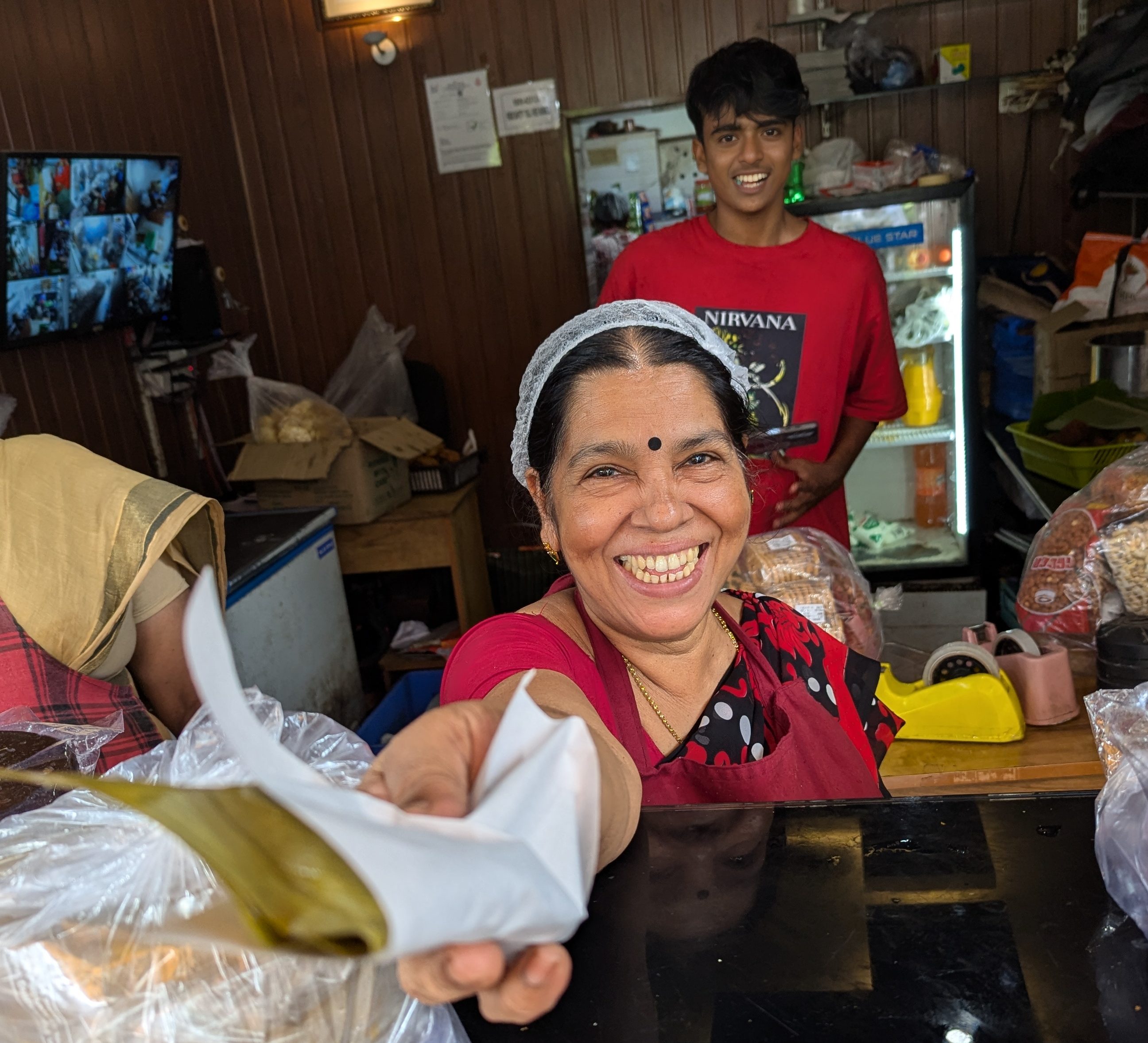
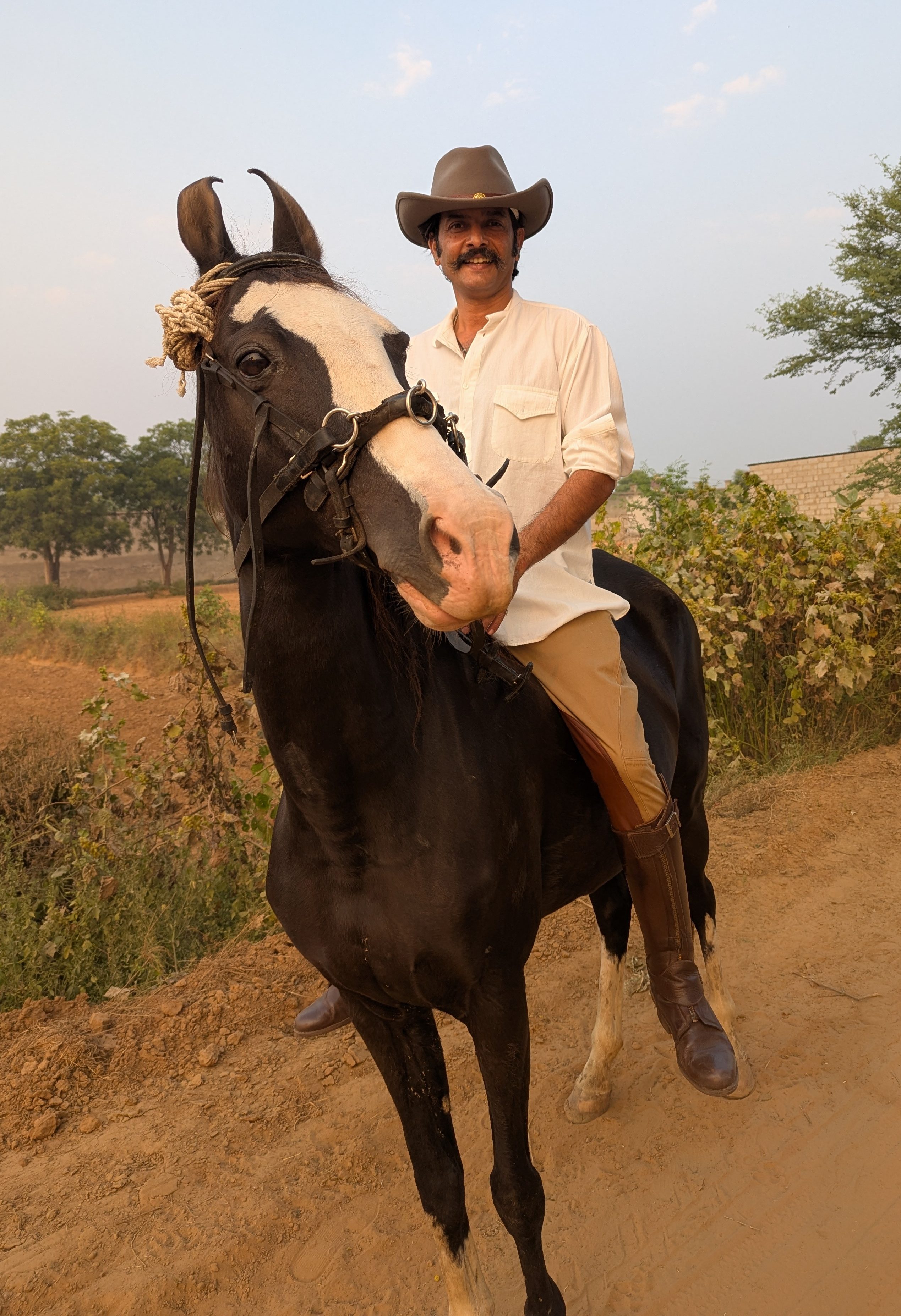
The phrase was gifted to me by DivineMajesyHorsemanship, a Jaipur-based creator and influencer. Dilip’s other gifts included: connecting me with his 180,000 followers; inviting me to the meal of a lifetime cooked by a Rajasthani Princess Parthvi at her Café Auberge; serving batti churma and curried goat at his ranch; letting me ride one of his Marwari war horses. Thank you, Dilip, for being a matchless host. I hope I can repay the favour.
Shareer Mein Sangeet
We’ve thanked the community who feeds us. It’s time to eat.
How do we describe the physical sensation… the joy, the elation… of eating itself? The Hindi/Urdu saying Shareer Mein Sangeet (literally body inside music) nails it. Translated as music in the body, the words evoke the unique experience of eating Indian food: the blissful sensation as dozens of ingredients interact with your body in different ways.
It’s possibly the ultimate, culinary alchemy. Try it… eat a mouthful of Indian food… and feel the different ingredients as they harmonise with your body – not just seducing your tastebuds but making you alive to new rhythms and feelings.
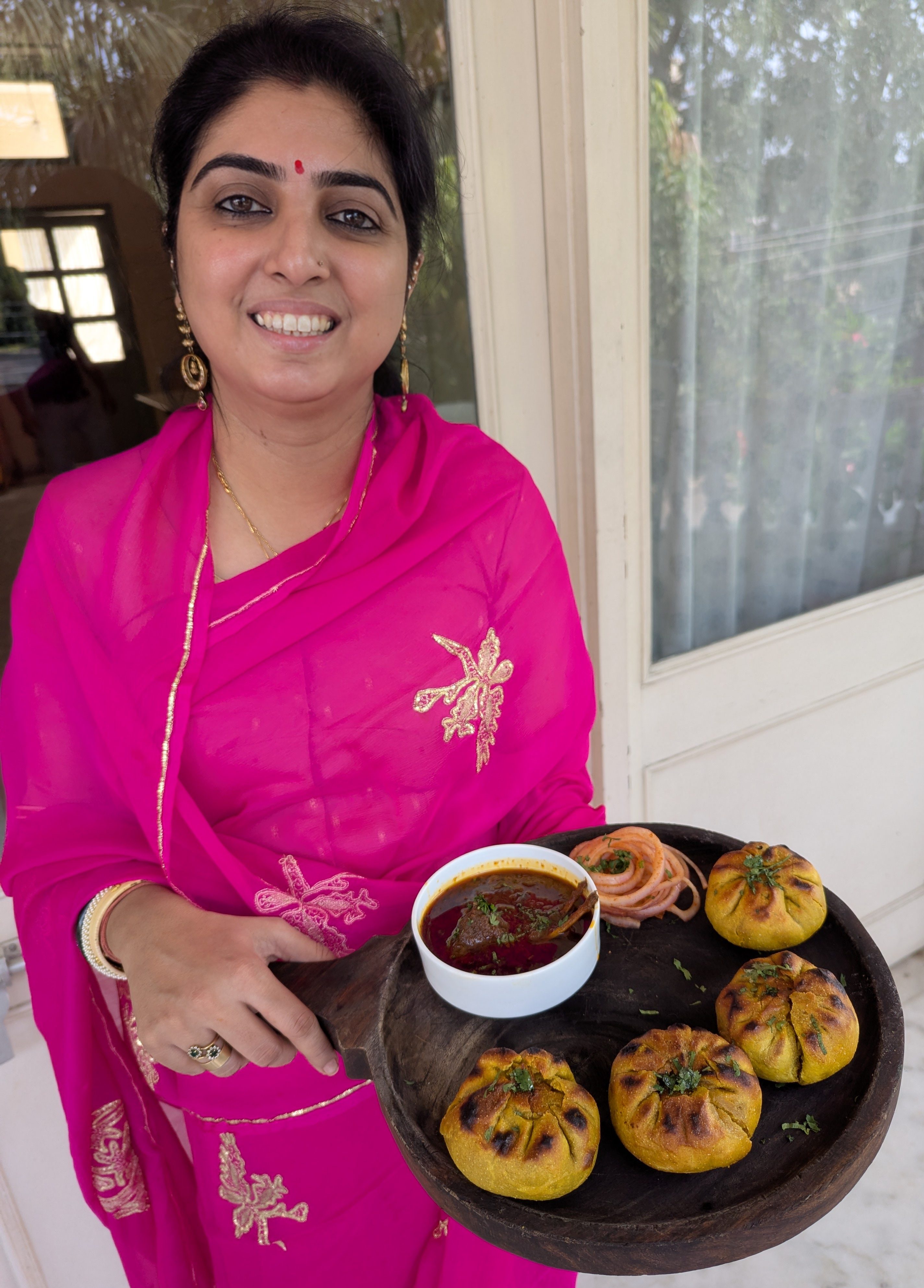
I’ve written a dedicated chapter on this: M is for Music.
Atithi Devo Bhava
As we eat, we want to share our good fortune with others. The Sanskrit saying Atithi Devo Bhava (literally guest divine be) translates as Guest is God.
If you’ve had the privilege of being invited into an Indian home, I think you’ll know truth of this saying.
Two years ago, I cycled into Karwar – a town on the Konkan coast – on the evening of Diwali. I asked the hotel receptionists where I should go to see the festival up close. In the nicest way, they explained Diwali is a family celebration – that everyone would be celebrating at home – and there wouldn’t be much to see on the streets of Karwar.
I went for a walk. 30 minutes later, I was sitting in an Indian home – welcomed in to share their meal and take part in blessings from the priest. How many visitors to the UK have been invited spontaneously by strangers… to step off the street, and share their family Christmas? I’m sure it’s happened, but I’ve never heard of it.
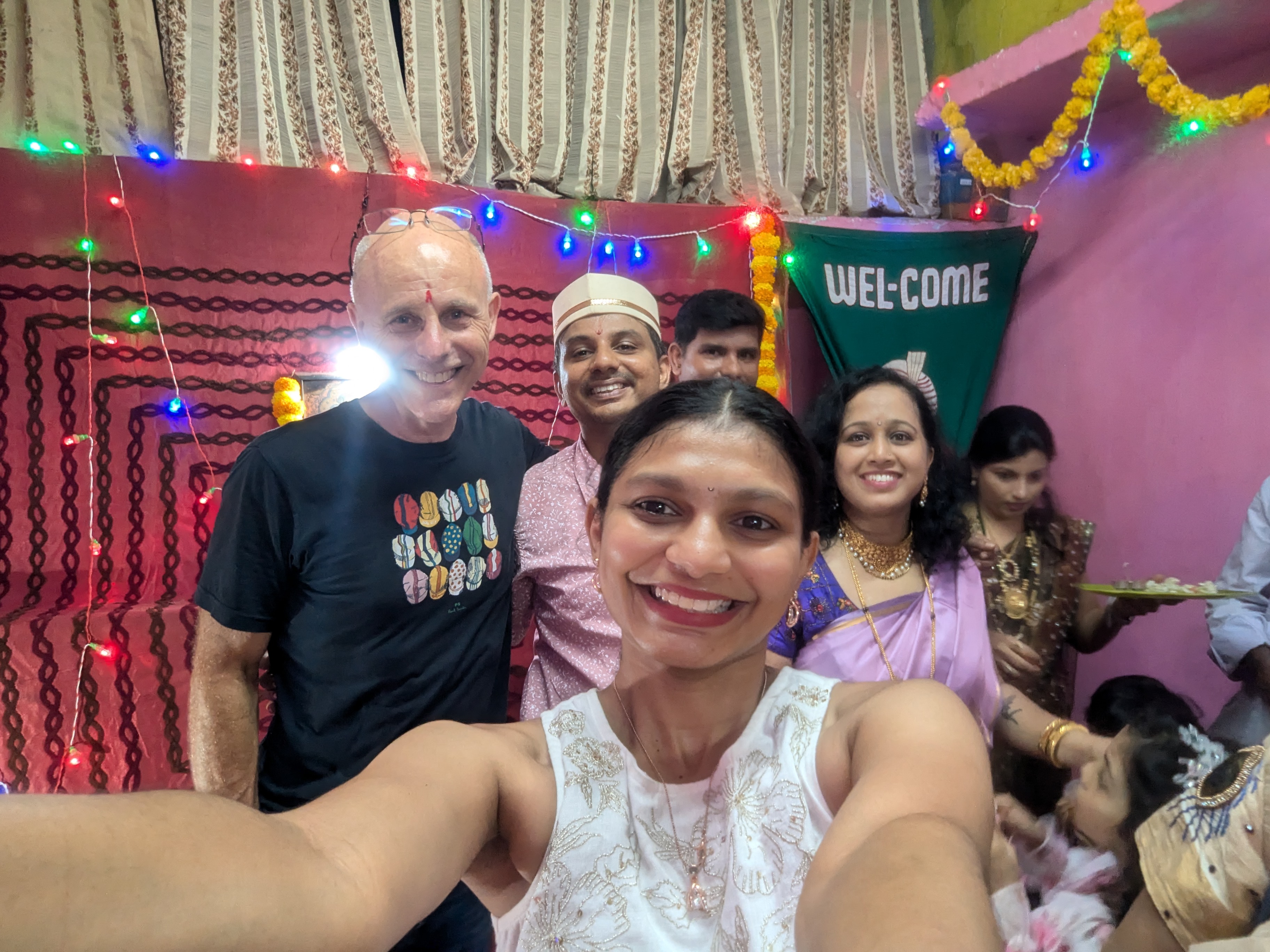
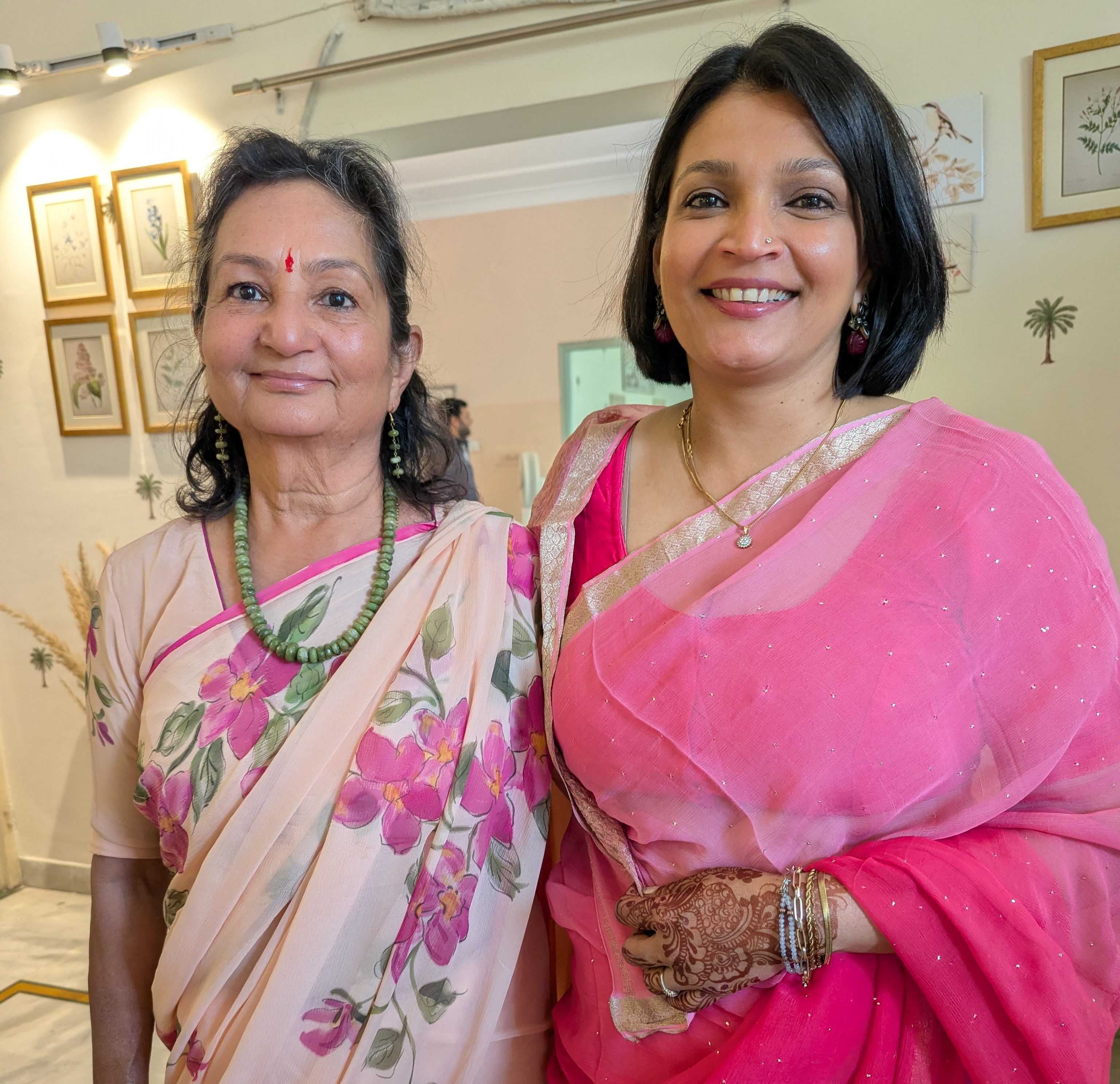
Last year, visiting Jaipur, I was invited by Tulika to join her family to share their Diwali celebrations in their home. For much of 2025, Tulika had been offering her energy, ideas and contacts to help me launch a project: Food Heroes of India. The connection with Dilip (above), and the unique experience of staying with a Rajasthani family in their home in the Thar desert are all thanks to Tulika. When I want to understand the meaning of Atithi Devo Bhava, I think of the blessed Diwali evening I spent with Tulika, her parents and Dilip. Thank you.
Goodbye
We’ve touched on the 12 words – and four sayings – which embrace, for me, the truth of the infinity of Indian cuisine. Has it worked for you? Where I’m wrong, tell me. If you can share another saying, please do.
To wrap up this chapter on words, I’ll add one more.
To say goodbye, I’ll say hello.
Namaste.
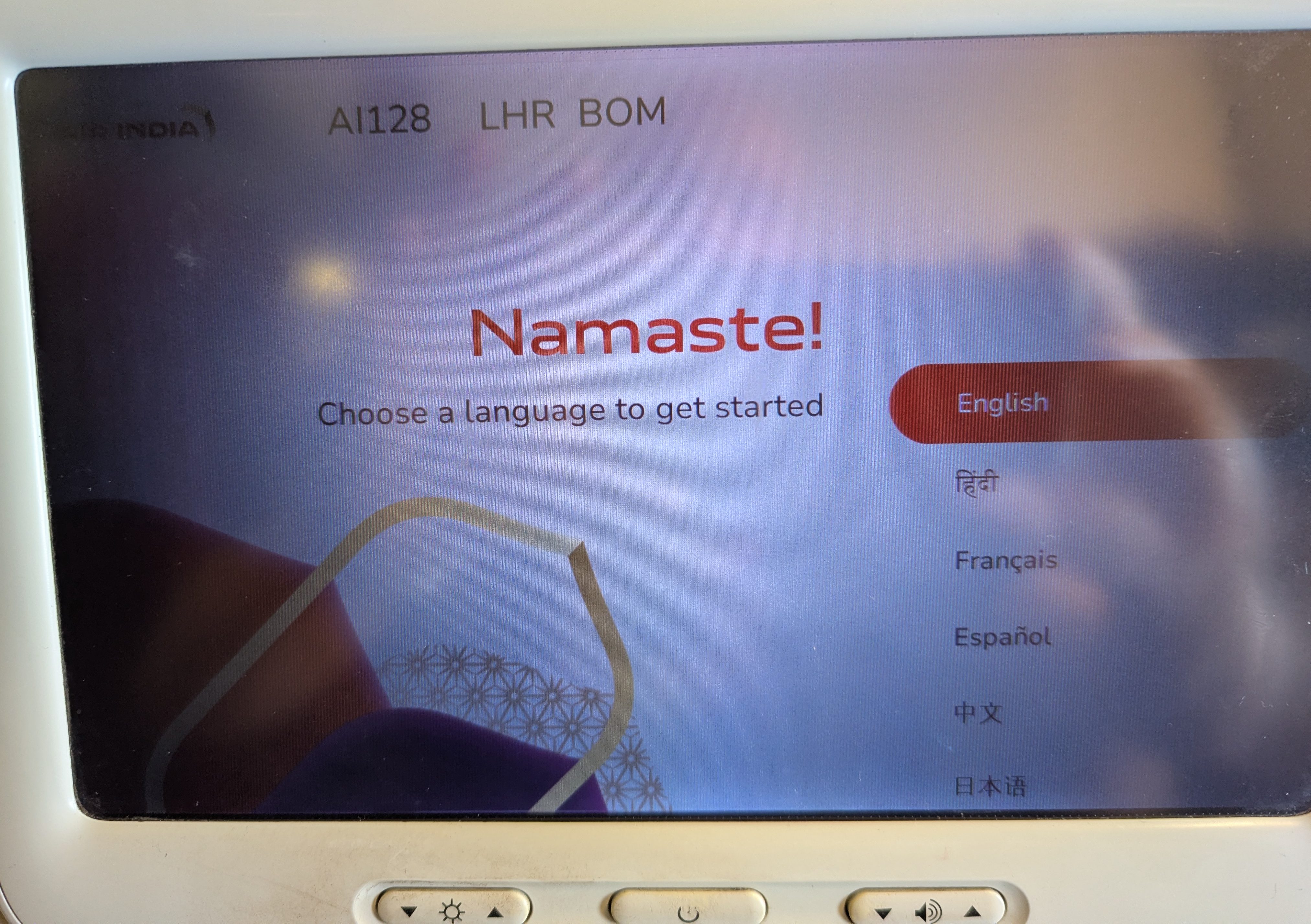
On trips to India, how many times have you seen, heard and said the word? Dozens, hundreds? On social media, how many times have you used the ‘prayer hands’ namaste icon? Countless?
Until a couple of years ago, I’d never stopped to think what Namaste means.
Hiya? Hello?
The meaning is deeper than I’d ever imagined.
Translated from the Sanskrit (namah bow te to you), the saying expands to mean: I bow to the divine in you.
Every time you’ve heard the phrase, the speaker is acknowledging the spark of divinity inside you.
One word to sum up a culture, and a philosophy of being.


