
Are we the species that invented fire? Or did someone beat us to it? Khaman Ji and Sharada cook me the meal of a lifetime in their traditional Rajasthani home – and give me the answer.
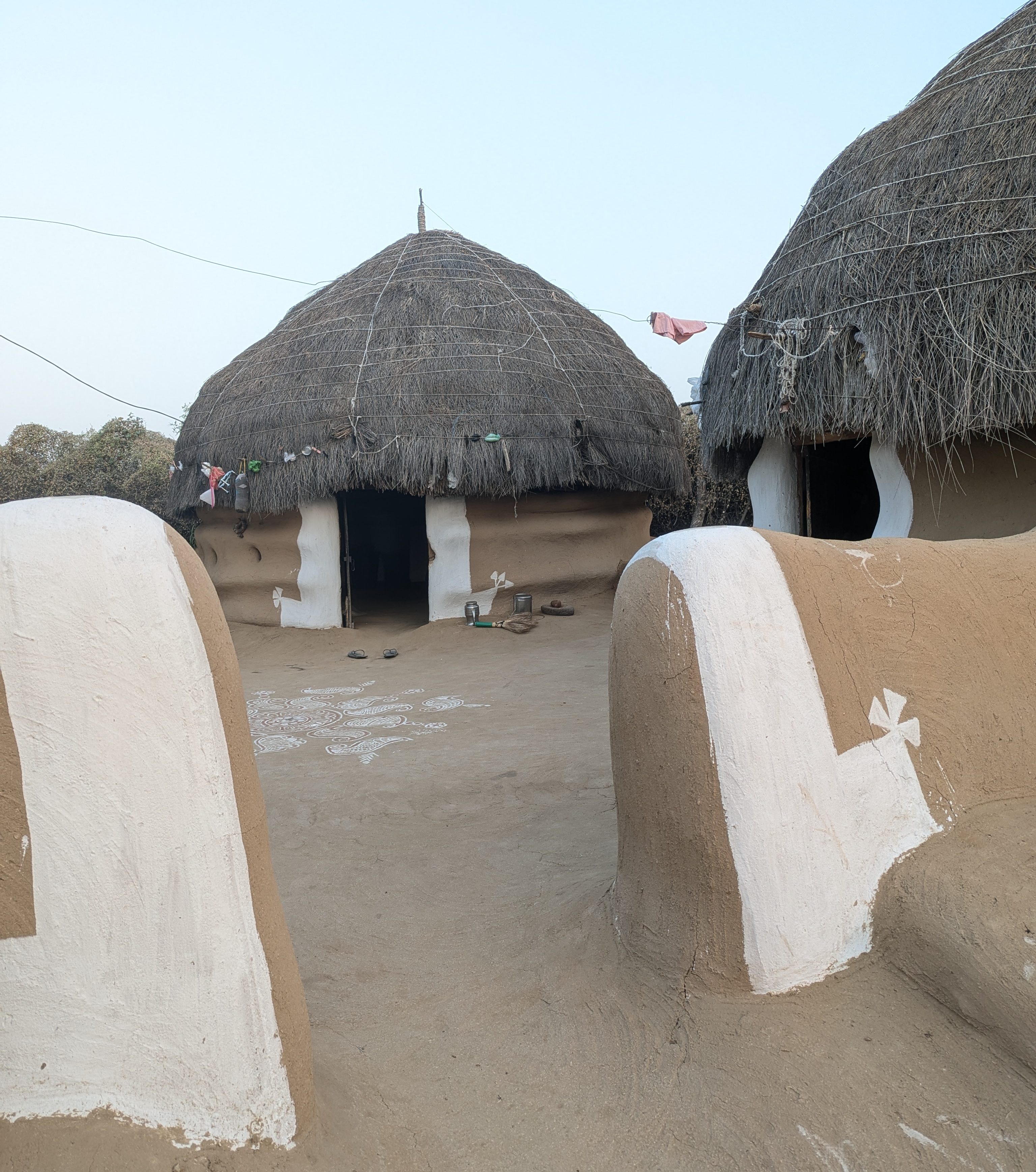
We’re sitting cross-legged on the stone floor of a Rajasthani home, in the heart of the Thar desert. It’s early evening, and the room is lit by the kitchen fire. The only other buildings in the village are the two perfectly round, mud-walled, thatched sleeping-huts: one for men, one for women. Hundreds of years ago, the village would have looked exactly the same.
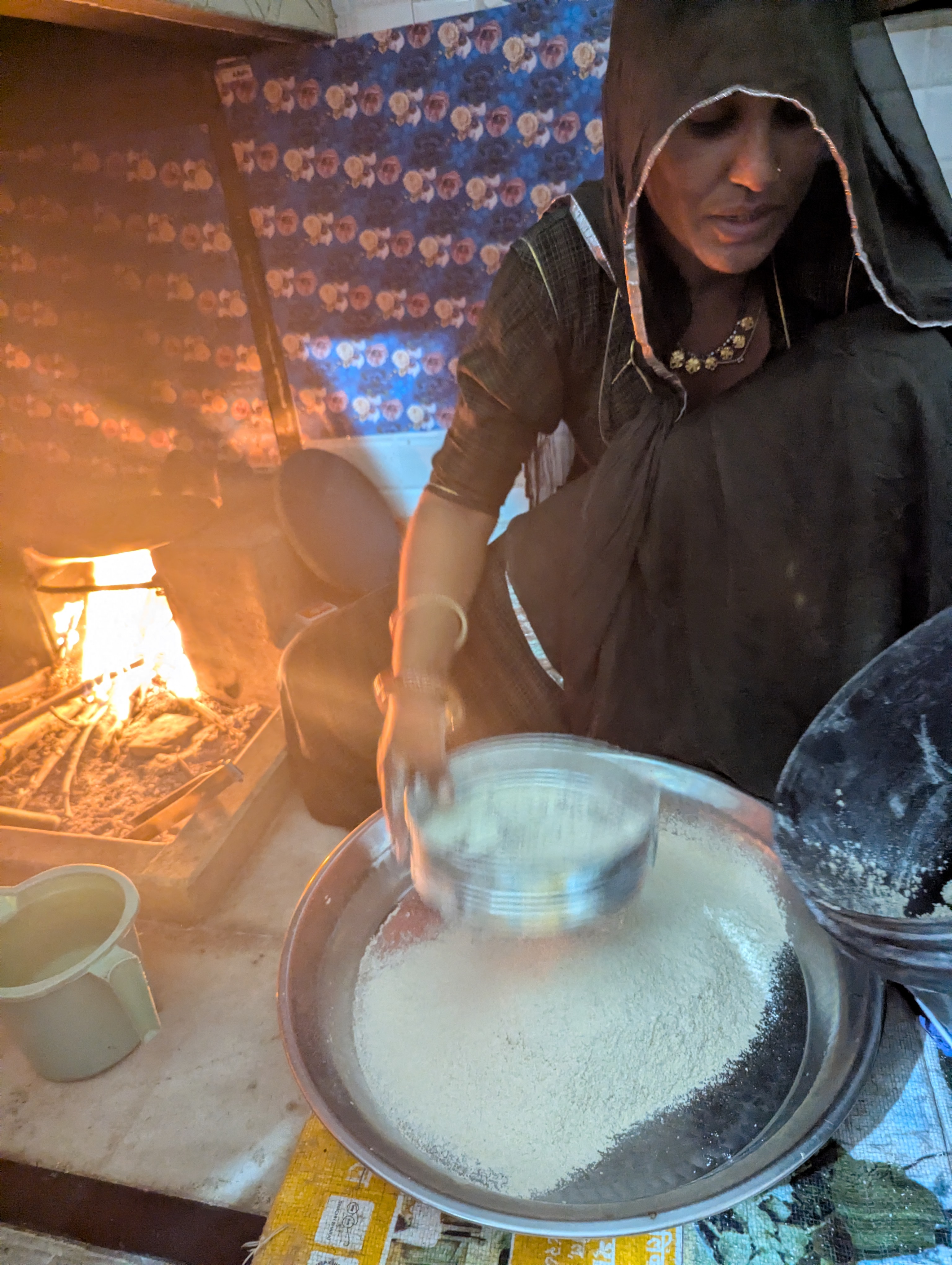
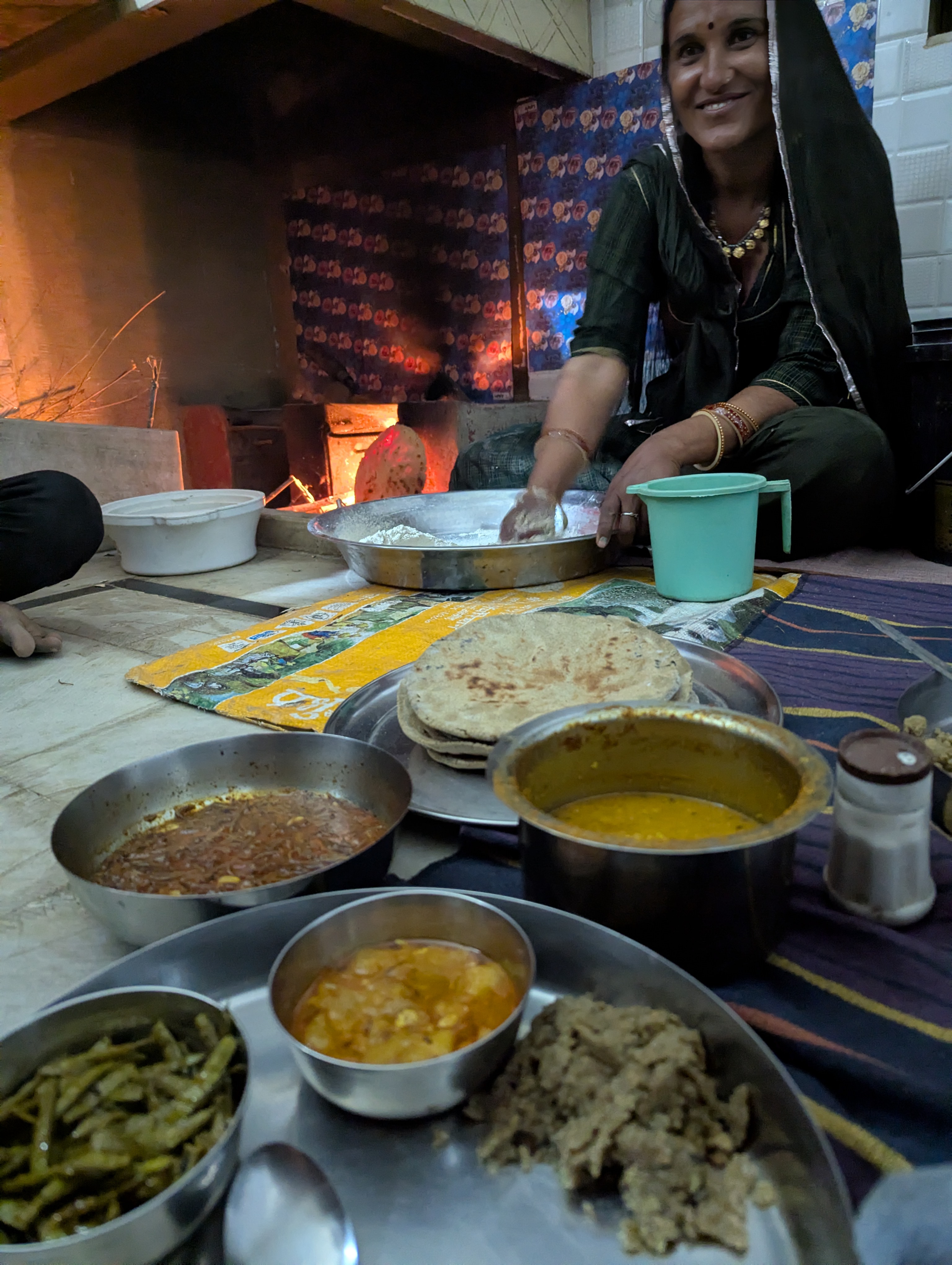
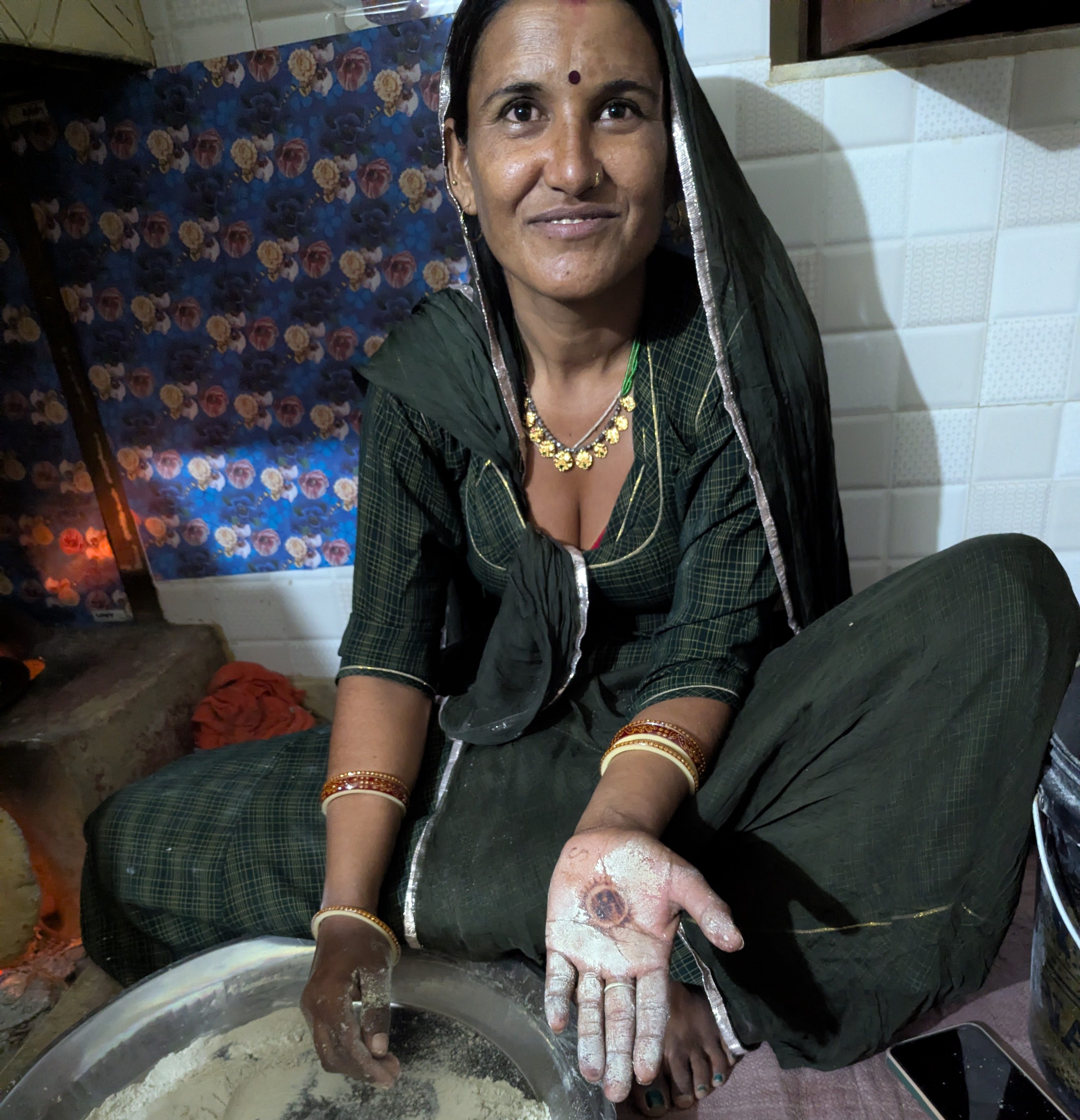
In the kitchen, one sound murmurs under the conversation like a pulse… the rhythmic pat-pat-PAT of chapatis being shaped by hand for the fire. Why is the third ‘pat’ always the loudest? I have no idea. It just is.
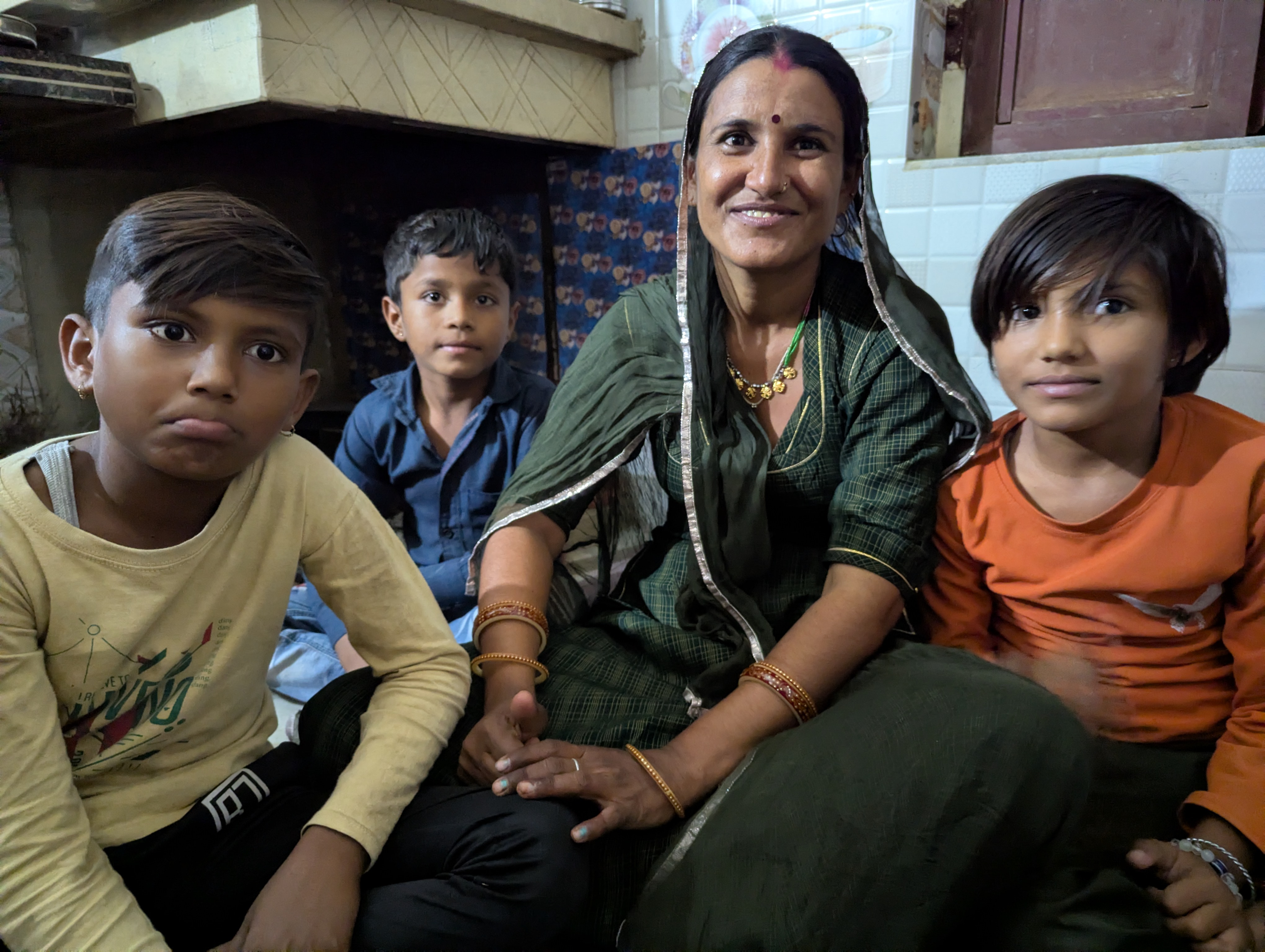
My cycle-buddy Deborah and I are here as the guests of Khaman Ji, Sharada and their three young children – Bhanvri, Shamshunda and Prinka. We have 24 precious hours in their home to absorb as much as we can about their traditional life in the desert.
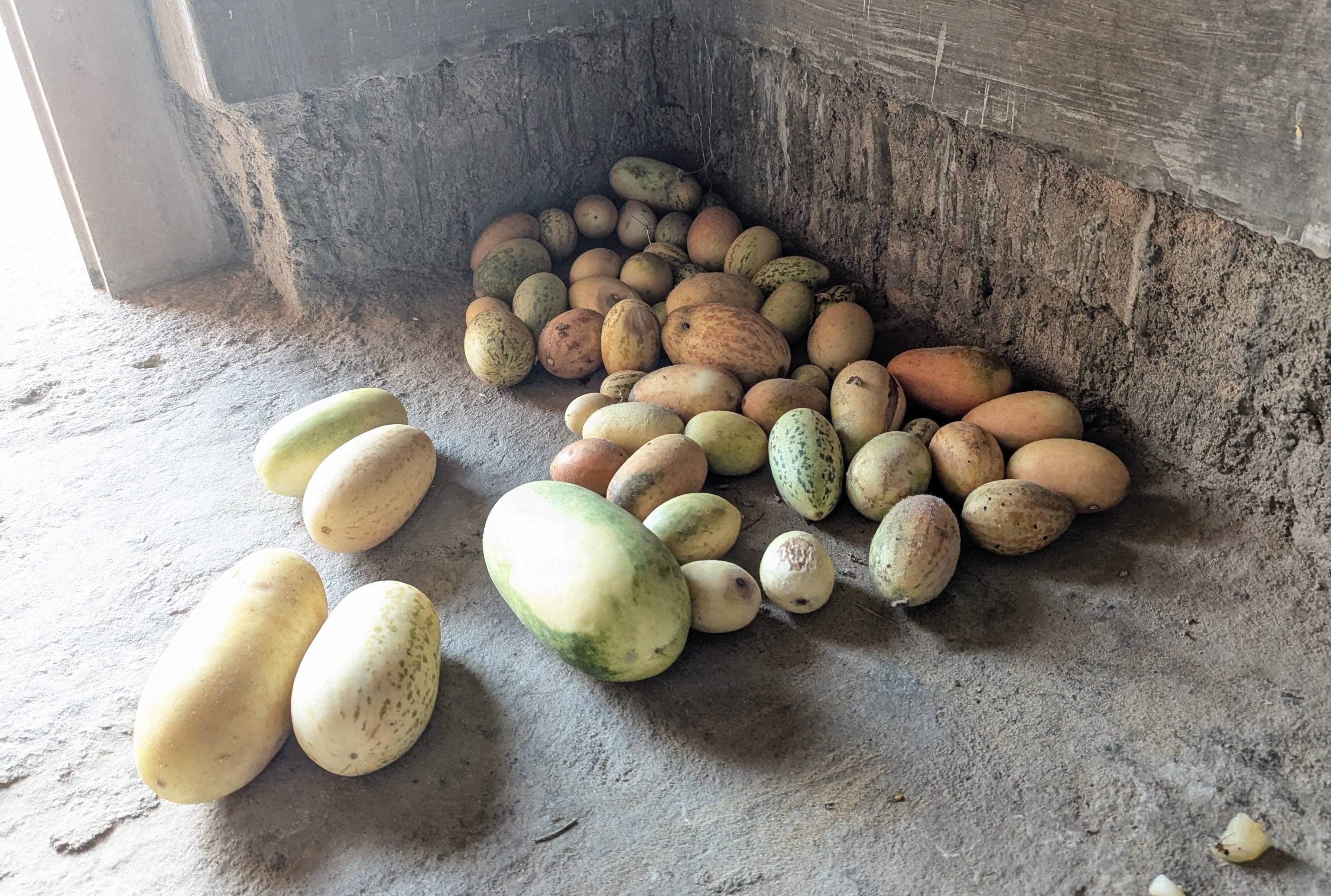
Everything we’re about to eat for the Rajasthani meal they’re cooking comes from within yards of the house. The millet for the bajri rotis comes from plants that grow everywhere outside the house; the ghee simmering by the fire comes from their cow. In fact, every flat surface in their home – every shelf, every empty bed, every hallway – is covered with gourds and pulses from the fields. The house is a fragrant, doorless larder.
And at the centre of it all – tended with constant glances and touches – is the kitchen fire. Like a baby, the fire is the visual magnet in the room, and you can’t take your eyes off it. Sharada tends to it constantly, twisting and pushing an individual branch to get the flame at precisely the right height. The scent of woodsmoke mingles with the aroma of chapatis and ghee. It’s a timeless, fireside scene.
And that’s the point.
Cooking with fire is as old as mankind. And scientists are now putting a date on that relationship.
As Sharada gently turns a burning log to increase the flame, and the roti tans with delicious freckles – a team of British archaeologists is exploring the fossilised remains of the most ancient fire ever discovered, and re-writing the history of flame.
Excavating a known pre-historic site in Suffolk, south-east England, the clue they’re looking at is a simple patch of reddened clay. Forensic tests proved the clay was repeatedly heated to over 700C (1,290F). Previous finds at the same site – including fire-cracked hand axes – suggested it was a man-made hearth. Just as important, the firepit contains shards of iron pyrite: a mineral that sparks when struck against flint. Iron pyrite occurs naturally in the UK, but not in this part of Suffolk. So, somebody brought the iron pyrite here and used it to light a fire – many times.
So… homo sapiens is the only species to make fire? We’re the only species to use fire to cook? Wrong, and wrong again!
We’re talking about a prehistoric hearth.
Until the discovery in Suffolk, the oldest known man-made fire was found in southern France – dating from 50,000 years ago. This patch of reddened earth blows that chapter of history out of the water.
The first breads start to arrive from Sharada’s fire. She lifts a bajri roti from the griddle, and hands it to me. Made from coarse-ground millet, the roti is wonderfully heavy in the hand – it’s food to sustain you as you work in the fields. Opening the scalding bread gingerly with my fingers, steam rises from the folds. I wait for it to cool. The bajri roti tastes of open skies, smoke and incense. It’s like eating a sacrament.
Four thousand miles away, in the UK, the patch of fossilised clay is revealing deep secrets about fire – and about our species.
Led by Dr Rob Davis of the British Museum, the team ran geochemical tests on the soil. The results are stunning. The campfire dates from 400,000 years ago: a massive 350,000 years earlier than any known hearth. The firepit is older than humanity.
While the latest estimates push the emergence of homo sapiens back to 300,000 years BCE, this part of Europe would have been populated at the time by neanderthals. Before modern man had even emerged as a species, our predecessors were using fire.
So… homo sapiens is the only species to make fire? We’re the only species to use fire to cook? Wrong, and wrong again!
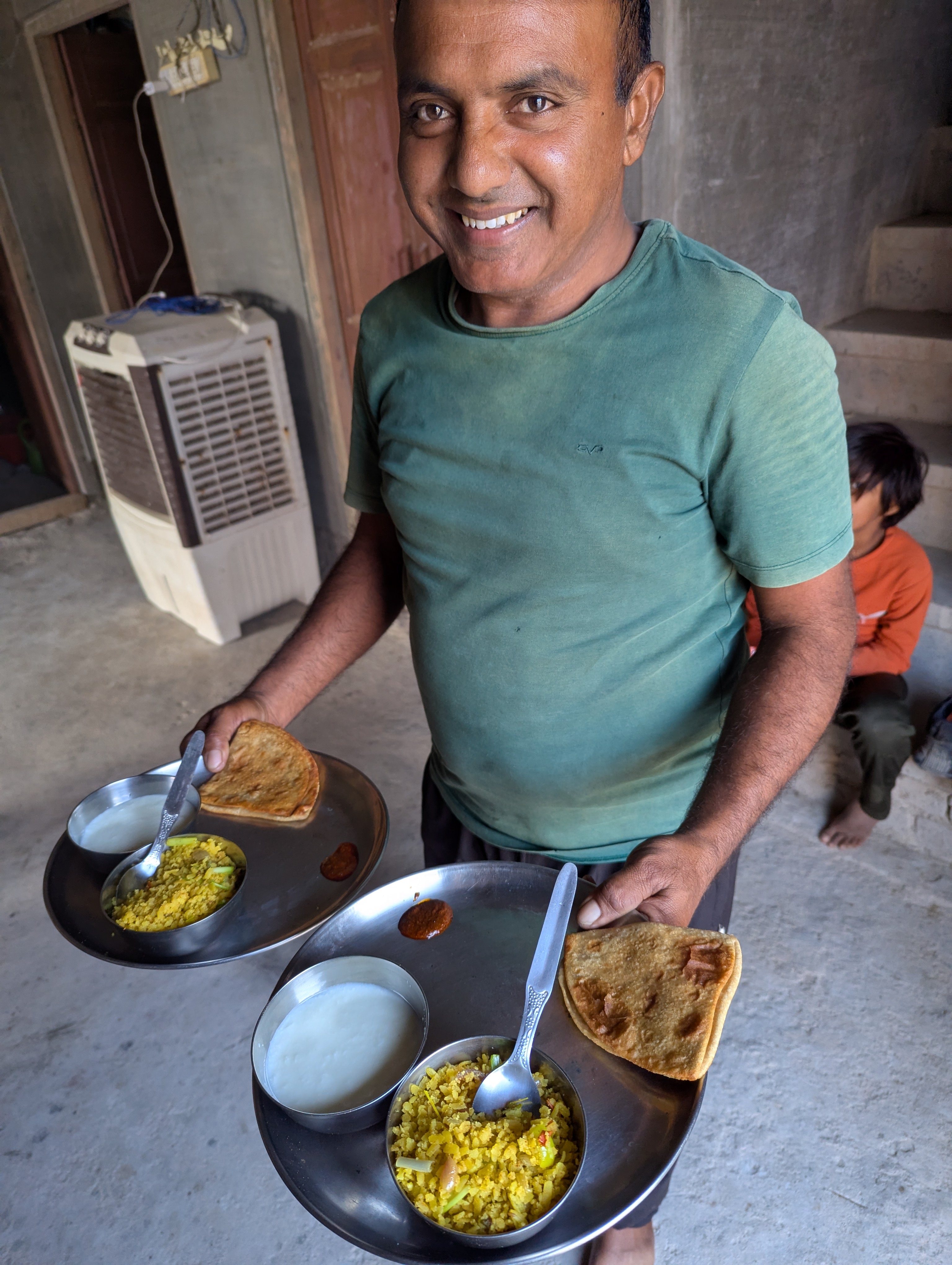
More food comes from the hearth, as Khaman Ji serves us a simple lentil dal. I’ve eaten dals from the Himalayas to Kerala. I’ve cooked countless dals at home and own three recipe books dedicated to this one dish. I start to eat Khaman Ji’s Rajasthani dal… served with wheat chapatis, covered in molten ghee that runs deliciously over my scalded fingers. Everything we’re eating comes from within yards of the house – grown under the Rajasthani sun. I actually whoop with pleasure. Khaman Ji’s dal is the most delicious I’ve ever tasted. The flavours knit together like threads of filigree jewellery. If you could poach a Fabergé egg, this is what it would taste like.
As we sit around the fire, different members of Khaman Ji and Sharada’s family arrive. A brother appears at the kitchen window, nieces come and go. I speak about 20 words of Hindi – the family has little English – so conversation is limited. Until suddenly, there’s a breakthrough. Prinka, their youngest daughter, shows us her schoolbook, with three columns of beautiful, hand-written text: an English word; the same word written in Hindi lettering; the Hindi translation. We have our Rosetta stone! Each of us can now say something in our own language, and point to the translation.
Deborah says ‘friend’, points first at the Hindi, then at the kids.
I say ‘happy’.
The Hindi words ‘dost’ and ‘khush’ echo round the fire. We all giggle. Then we start putting strings of words together: “Happy… friend… together… kitchen.”
“Dost… khush… ek saath… rasoighar”. Bhanvri, Shamshunda and Prinka shake with laughter.
The fire is bringing us all together.
While no dig can ever prove this, palaeontologists believe what we’re experiencing around Sharada’s hearth is the way fire has always worked. For millennia, fire has drawn families and communities together: encouraging people to share and talk.
Fire not only enabled early mankind to digest protein-rich food – freeing up energy to fuel brain development – it also created a hub for socialising and story-telling. Maybe what I’m doing right now – trying to share an experience in words – is just the latest iteration of the gift fire gave us?
The Thar desert is a harsh place. Even in mid-winter, stone sections of buildings facing the sun are too hot to touch at dusk. In summer, the Thar becomes so hot it draws an entire weather system towards itself: the monsoon. The billions of gallons of rain that irrigate India from June to September are drawn up country by the Thar: hoovering water-rich air from the ocean to replace hot air rising above the scalding sand. The trade winds that shaped pre-modern contact with India – pushing boats west to east in summer months, and back in the winter – are all driven by the lungs of this desert. From hoovering the annual monsoon to powering the first trade routes, this barren landscape is one of planet Earth’s great change agents.
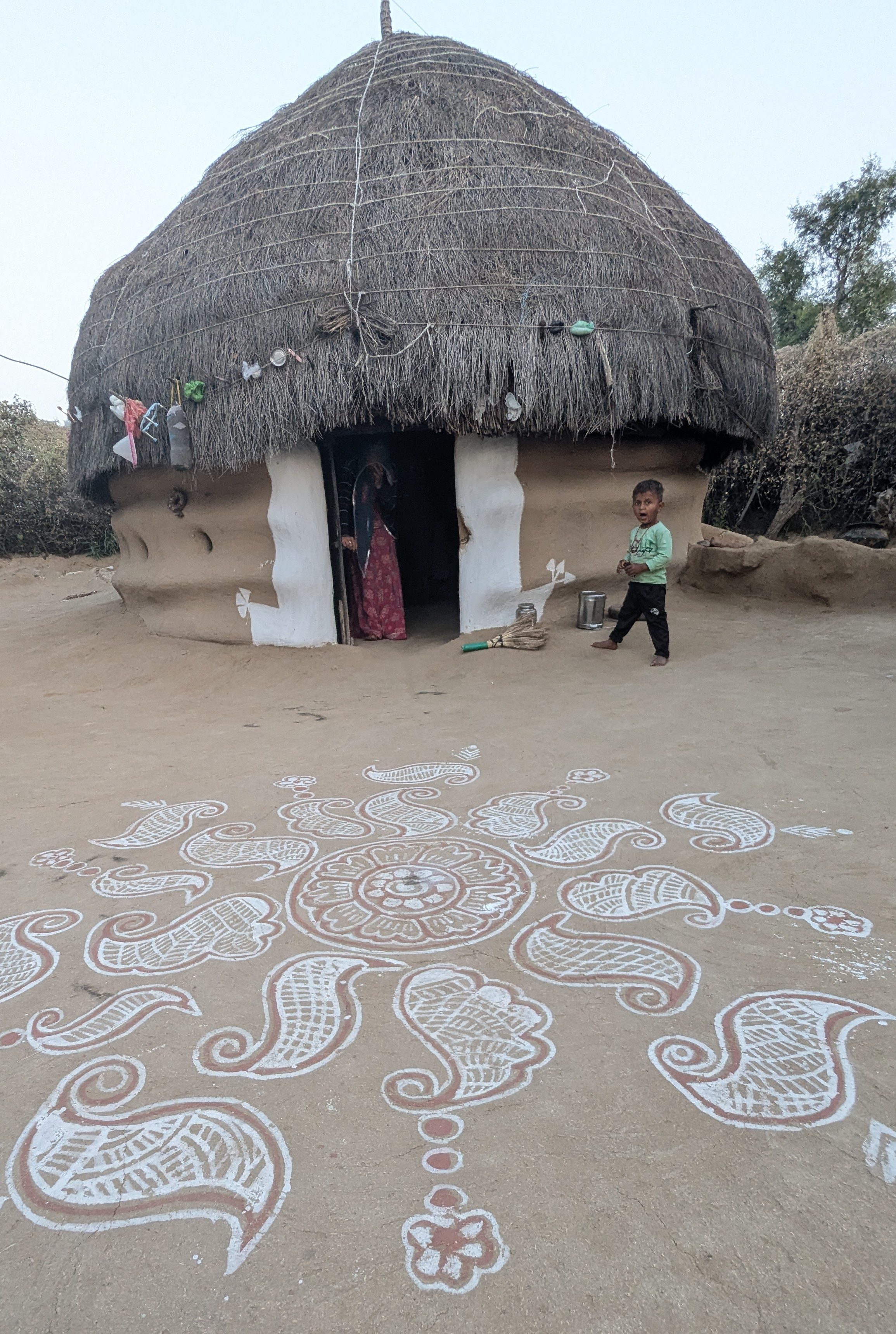
Khaman Ji and Sharada have only welcomed one foreign guest before, but they made our stay feel effortless. At night, Deborah slept in the women’s hut. I went to bed under the perfectly symmetrical, conical tower of the men’s hut.
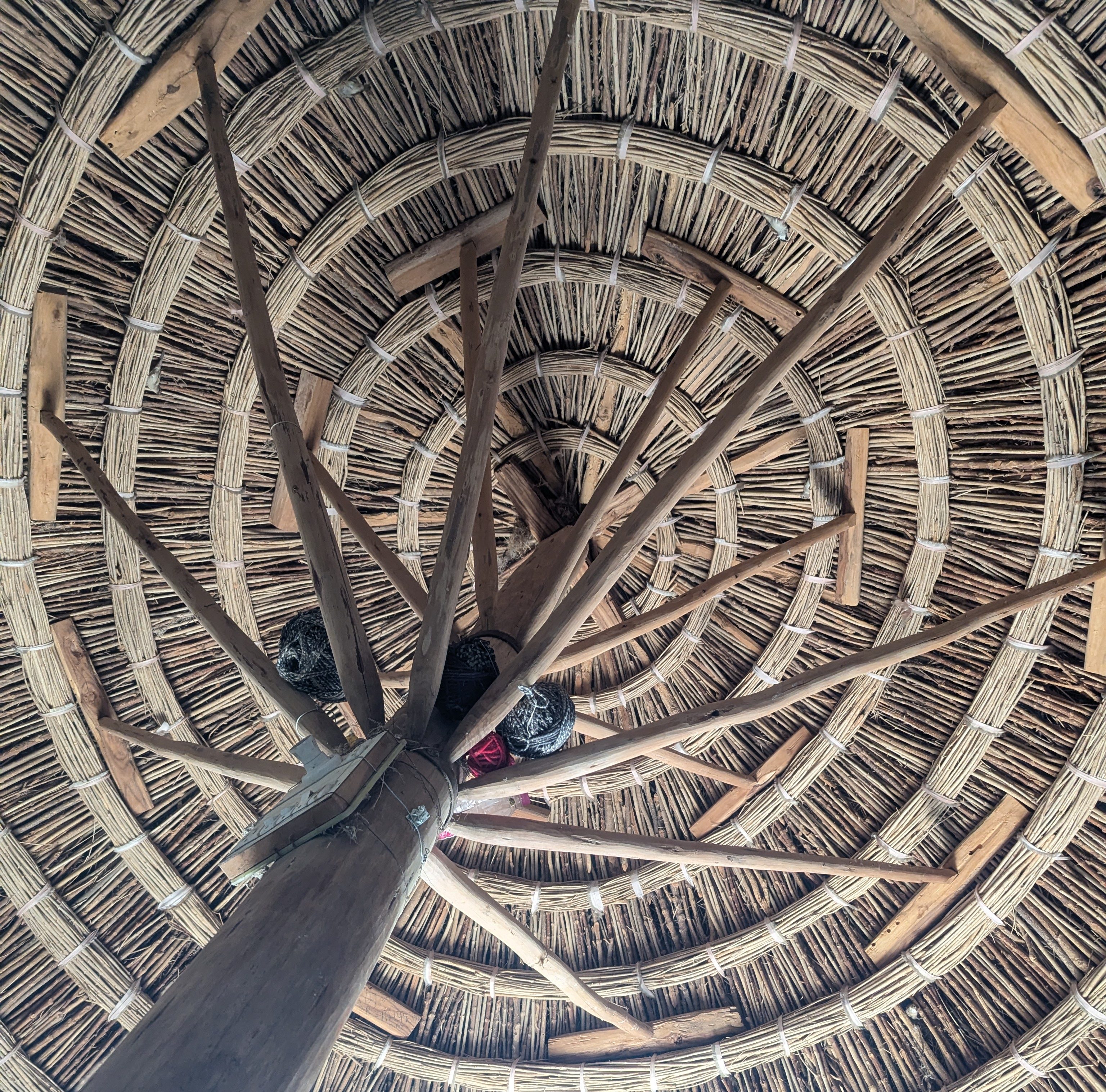
Lying on a knotted, Rajasthani rope-and-wood bedframe – I look up at the thatch as it disappears into the darkness, listening to the breathing of Khaman ji’s father.
Just before dawn, the old man starts his daily chant. The village stirs. Prinka comes to find me, and we walk around the village together. The morning sand on my bare feet is cool, and soft as talcum powder. The goats are glad to be let out; the cow chews contentedly on the cud.
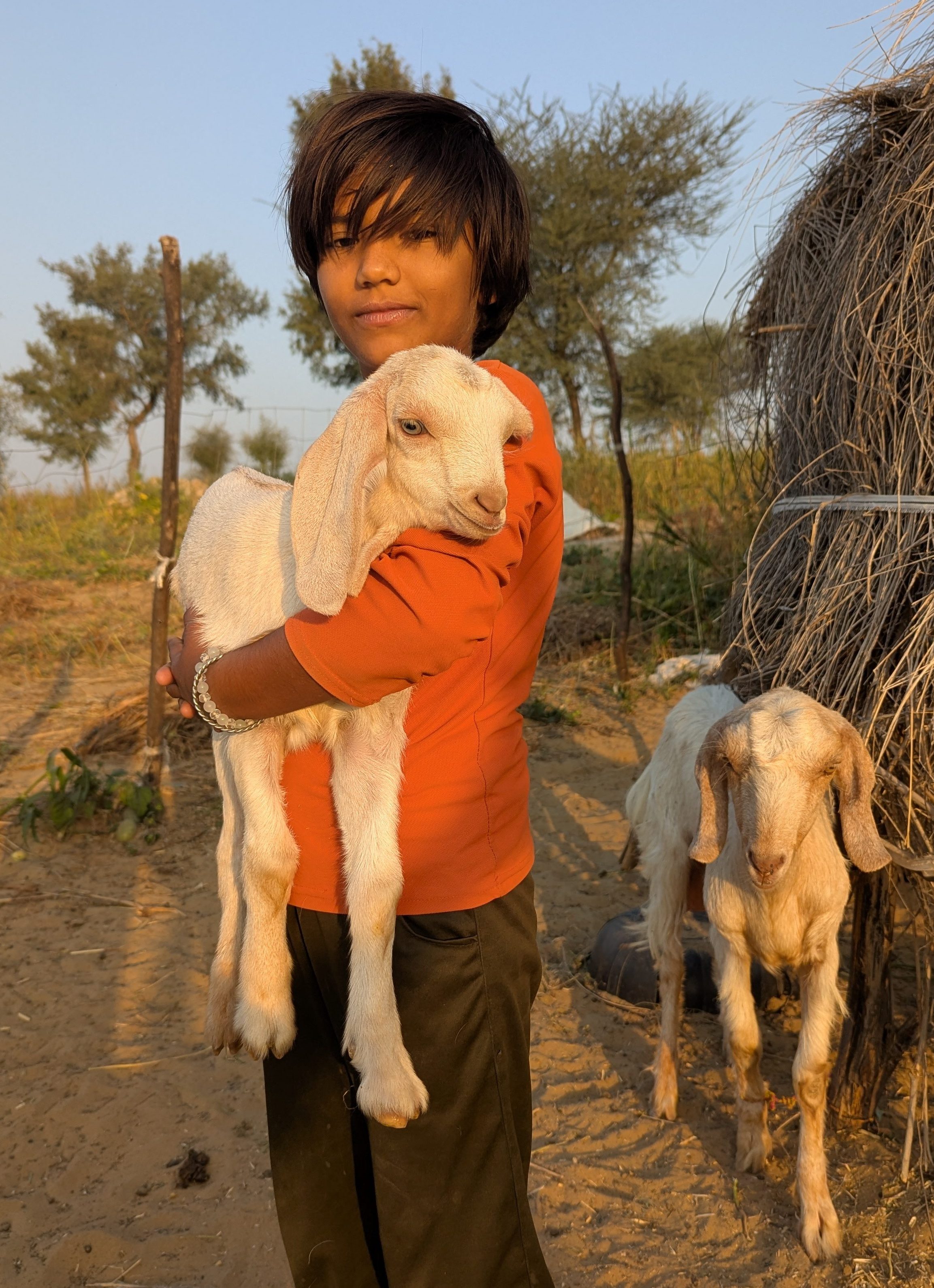
The kitchen fire is already burning. It’s a changeless sight, connecting me with people who lit a fire 400,000 years ago in Suffolk, to meet exactly the same needs we have today.
What did my 24 hours with this family teach me about traditional life in rural Rajasthan? I don’t want to over-claim: the stay was short, and I’m glimpsing their centuries-old culture through a keyhole. But my thoughts are these…
First, that living in a harsh climate with few modern comforts has made Khaman Ji, Sharada and their family some of the gentlest, most generous people I’ve ever met.
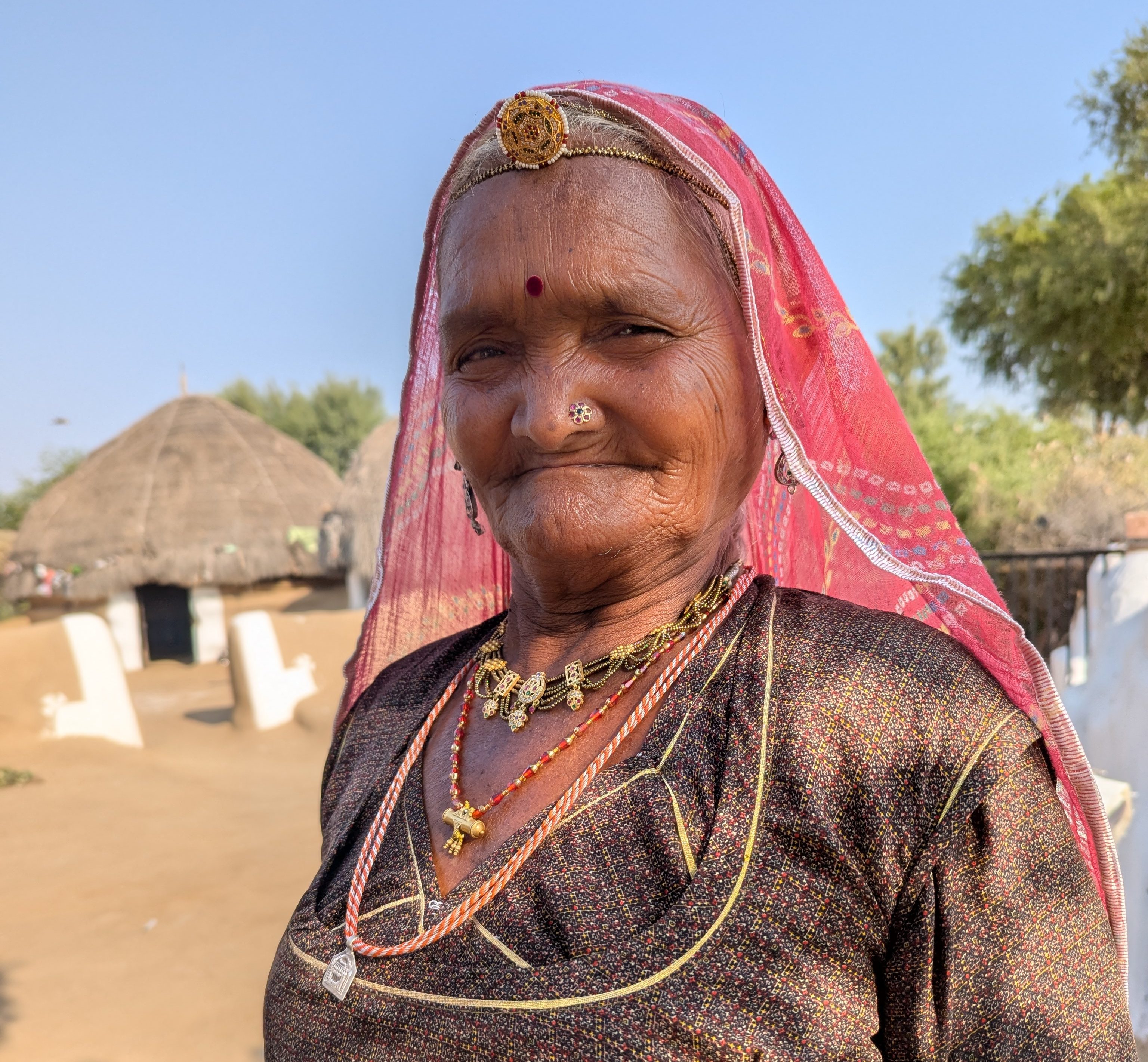
Second, that in a traditional, self-sufficient setting – the modern concept of ‘downtime’ doesn’t exist. For Khaman Ji’s dignified 70-year-old mother, there wasn’t a second she wasn’t busy with her hands: peeling gourds; curing their skin in the sun; drying seeds; feeding the animals.
Last but not least, in the context of a food blog, I need to flag that a meal in which every ingredient came from within hundreds of yards of the house is possibly the best I’ve ever eaten. How is that possible? How can a desert smallholding create a meal to rival the biggest, best-equipped professional kitchens? I have no idea. It is the magic of India.
Khaman Ji, Sharada, Bhanvri, Shamshunda and Prinka gave Deborah and me a spell-binding glimpse of their deeply traditional lifestyle.
They also gave me the answer to a question that’s nagged me for years:
Are we the species that invented fire… or did fire invent us?
Sincere thanks to the following people, who made this experience possible:
- Aakriti Srivastava and the team at Bahula Naturals – who introduced us to Khaman Ji and Sharada. Bahula Naturals are a collective who celebrate the wisdom of pastoral communities, including those of the Thar region of Rajasthan – helping to bring their agri-dairy products direct to the consumer.
- Neeraj Chhetri – who guided Deb and me on bicycles across Rajasthan, and who could not have done more to create the perfect tour of this magical state.
- Deborah Gundle – who’s been the ultimate cycle buddy on two different tours (35 years apart) and makes every trip a happy adventure.
- Tulika Byce and Digi Foo-Kune – whose energy, ideas and connections made everything in this blog happen, and more. Thank you!


