
In a recent Guardian feature (What does Europe mean to you?) opera director Kasper Holten gives a lovely definition of how different voices can blend into one harmonious experience: “The second act of Mozart’s Le nozze di Figaro ends with sheer genius: starts with two voices, another gets added, then another, and so on until seven people with different agendas are all talking over each other – and it forms perfect harmony.” http://www.guardian.co.uk/commentisfree/2013/jan/27/what-does-europe-mean-to-you?INTCMP=SRCH
It’s a beautiful image. But as a definition of genius… just seven voices in harmony.. really??
SURELY Mr Holten should have reached for THE metaphor of harmony arising from complexity… a curry!
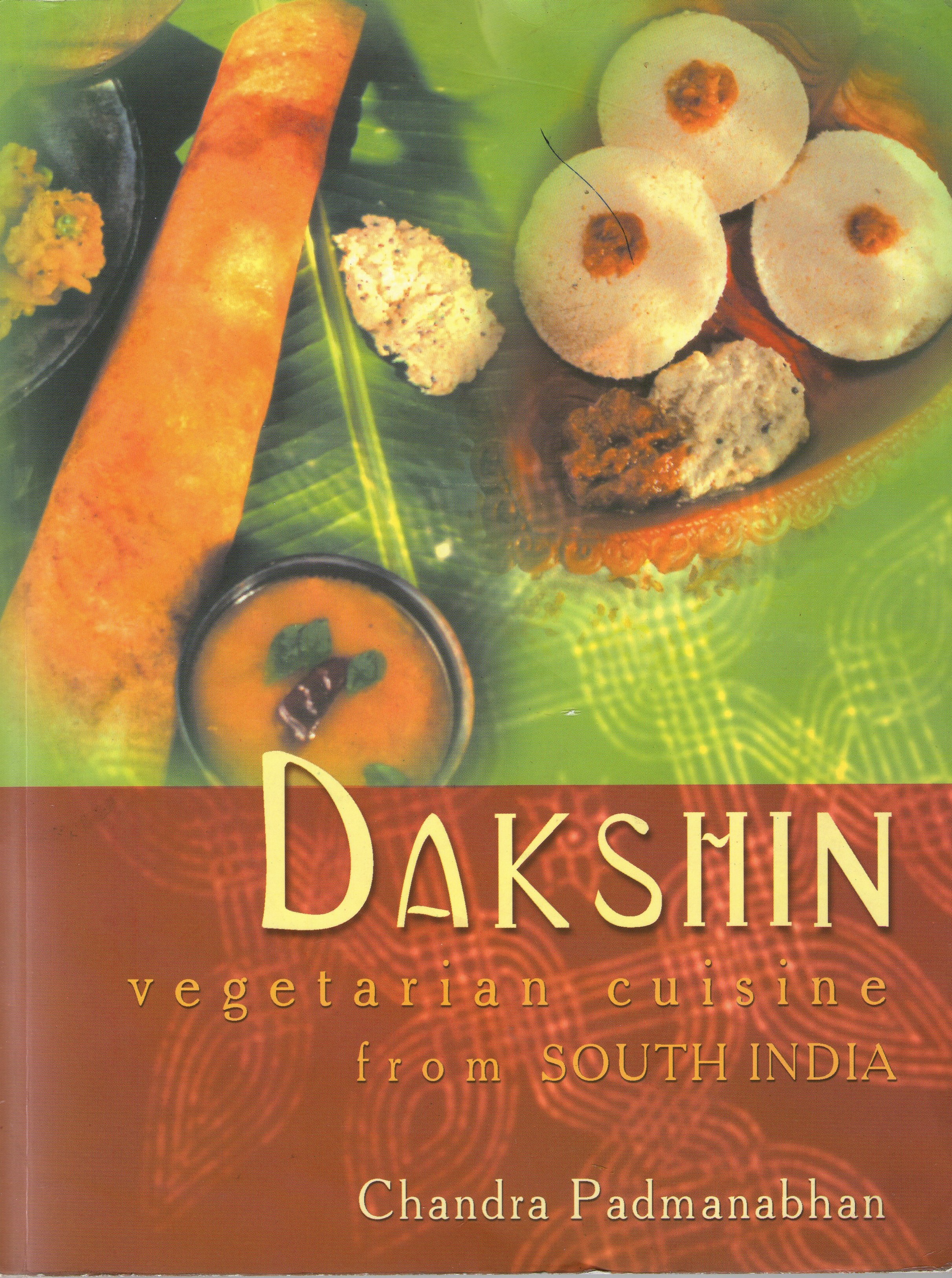
Let’s take a single dish (and one of my favourites) the spicy rice from southern India: Bissi Bele Hulli Anna. This harmonious work of genius contains no less than 36 ingredients (cloves, coconut, chilli, curry leaves, cinnamon, fenugreek, tamarind and poppy seeds… to name just eight). Follow the recipe in Chandra Padmanabhan’s inspired Dakshin, and you’ll travel on a four part odyssey which blends all 36 ingredients into a mouth-watering symphony.
And that’s just the rice!
The Indian meal it’s served at would almost certainly include several other dishes, not to mention chutneys and relishes – bringing literally dozens of ingredients together in one meal.
Which, for me, is the whole genius of Indian cooking – the art of bringing together a semi-infinite palette of tastes together on a single palate.
No other national cuisine, I believe, matches the genius for fusion that’s existed for millennia in India… as its people embrace each new wave of culture – and give it back to the world in an ever richer and more complex cuisine. (The chilli, let’s not forget, was imported by the Portuguese from the New World to India – who went on to make this new vegetable the foundation of some of their greatest dishes).
So – Wolfgang Amadeus – up your game, mate. Give us an opera with 36 part harmonies, and we’ll start to name-check you as a master of fusion.
Until then, we agree that CURRY is the gold-standard for harmony – and that not even the God of Opera can touch the Indian cook for producing joy from complexity.


 Good Korma